
The Red Fort in Delhi
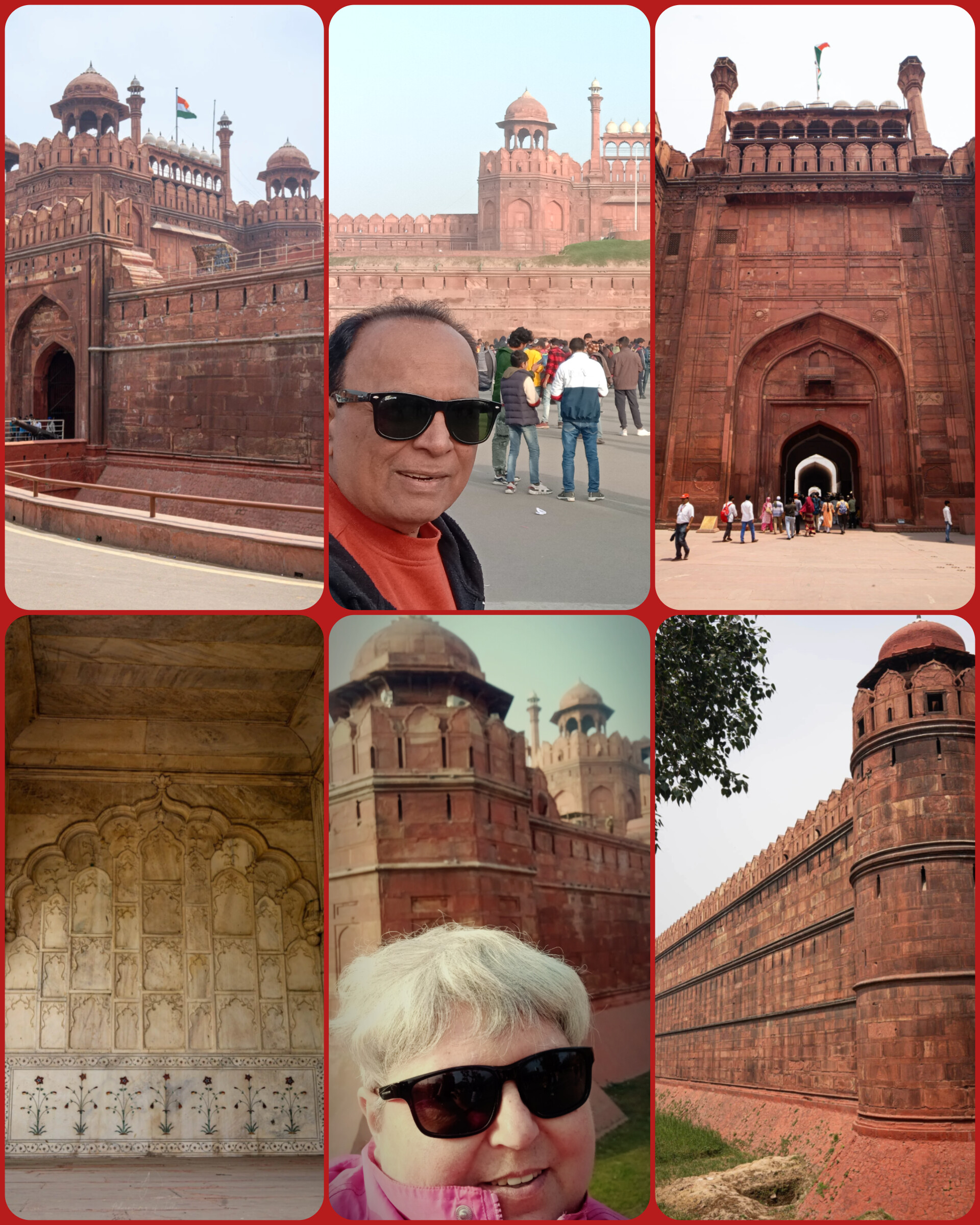
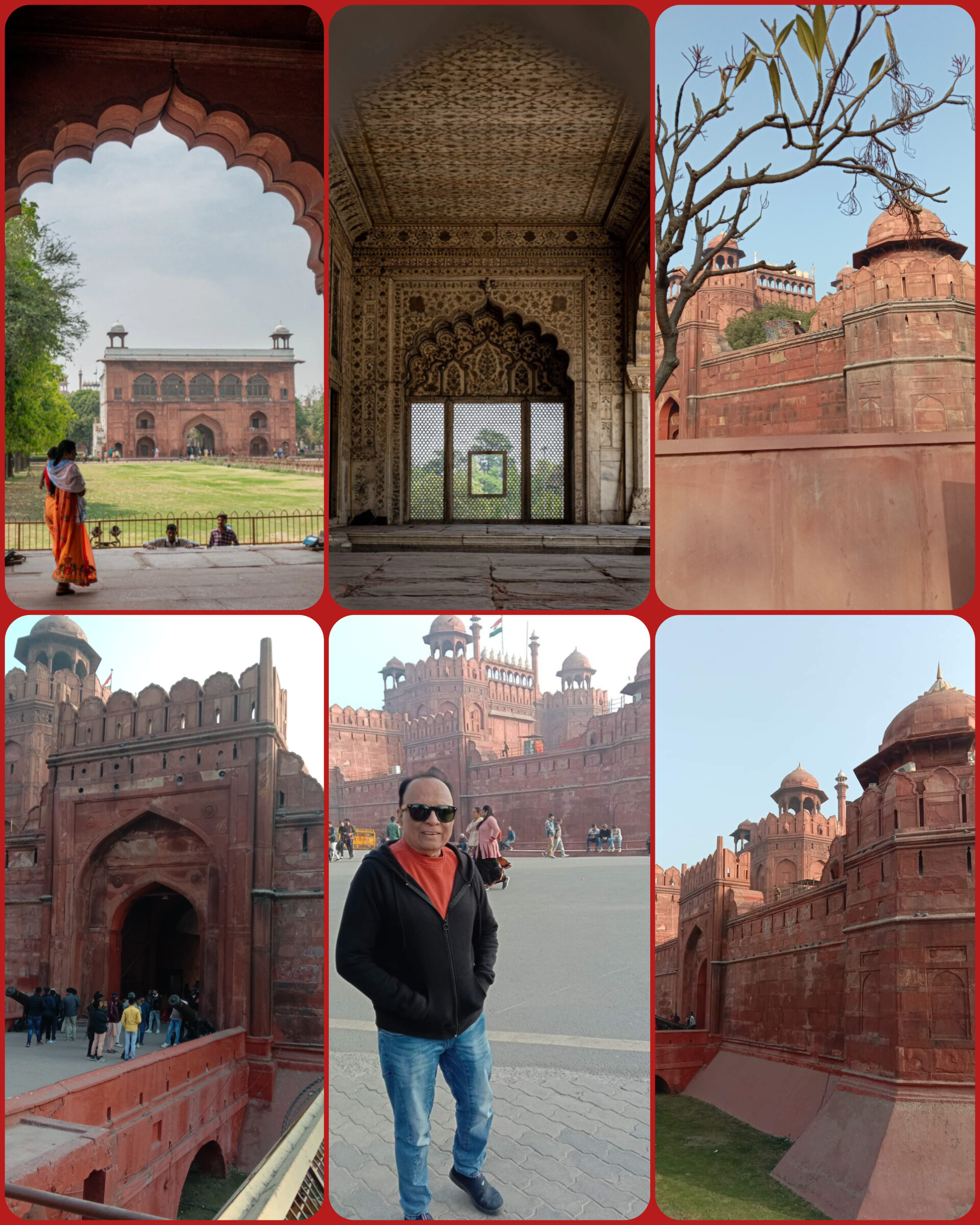
The Red Fort in Delhi is not just a fortress — it is a city within a city. It was built in the 17th century by the Mughal emperor Shah Jahan, the same ruler who created the Taj Mahal. Its red sandstone walls stretch for almost three kilometers and rise higher than six stories.
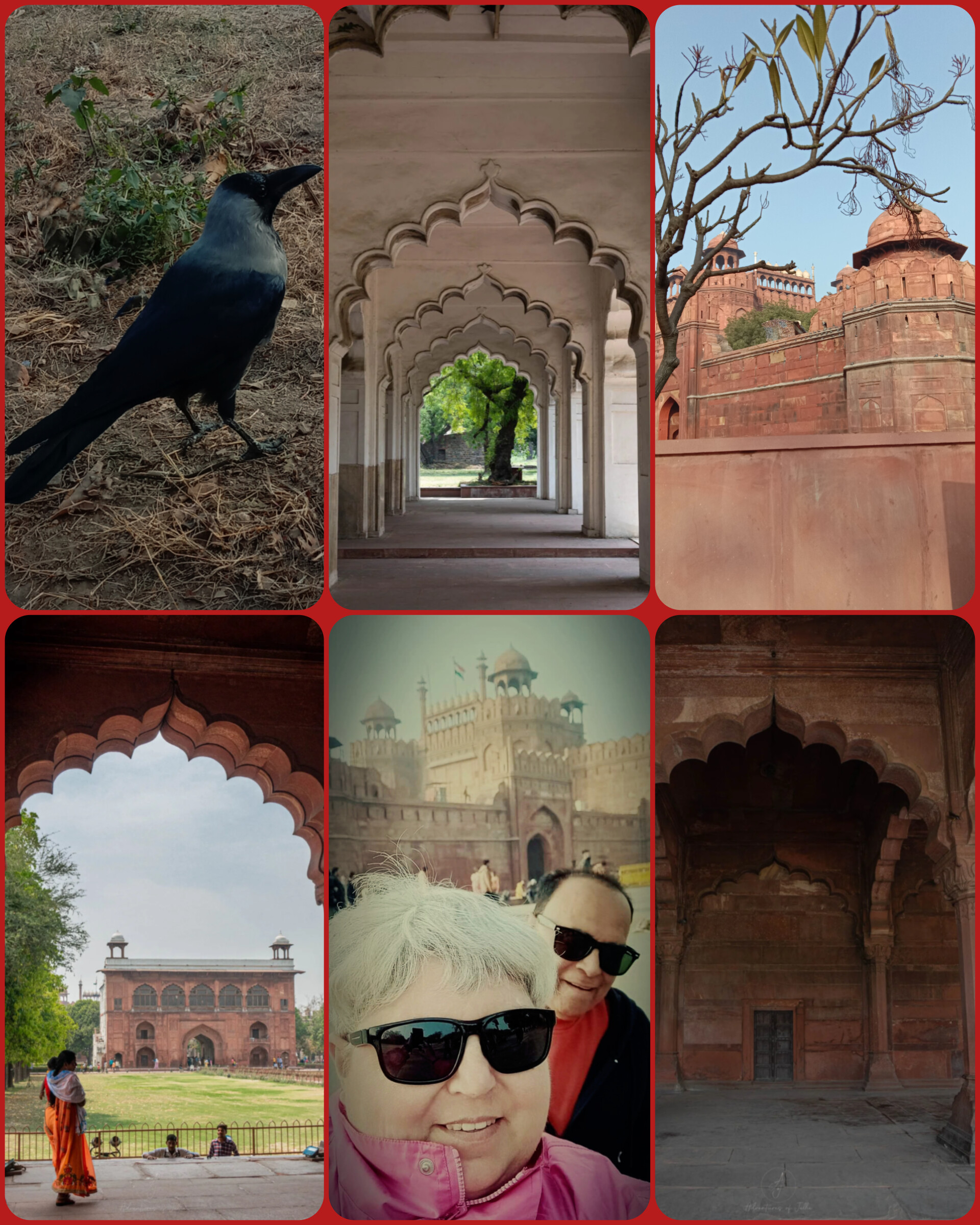
Once, inside its walls stood magnificent marble palaces, fountains, gardens, and grand halls where the emperor ruled his empire. One of the most famous was the Hall of Public Audience, where the ruler would personally hear the voices of ordinary people. Everything here was designed to impress with the wealth, majesty, and power of the Mughal dynasty.
...
...
During the British rule, the fort was turned into military barracks. After India gained independence in 1947, the Red Fort became a symbol of the new nation. At the Lahore Gate, every year on August 15, the Prime Minister raises the national flag and addresses the people. This happens from the high balcony above the gate — a tradition started by India’s first Prime Minister, Jawaharlal Nehru. His speech, given here on the day of independence, became historic, and ever since, every word spoken from this spot is heard across the entire country.
Today, the Red Fort is both a museum and a living memory. Visitors can wander through its ancient halls, see historic weapons and treasures, imagine the sultans in their golden robes, and look up at the balcony, knowing that from there, every year, words are spoken that remain forever in the hearts of millions.
...
...
Червоний форт у Делі
Червоний форт у Делі — це не просто фортеця, а справжнє місто в місті. Його звів у XVII столітті падишах Великих Моголів Шах Джахан — той самий правитель, що побудував Тадж-Махал. Стіни з червоного пісковику тягнуться майже на три кілометри і піднімаються вище шести поверхів.
Колись усередині стояли розкішні мармурові палаци, фонтани, сади та величні зали, де імператор правив своєю імперією. Особливо відомим був «Зал публічних слухань», де правитель особисто вислуховував простих людей. Усе тут створювалося, щоб вразити багатством, величчю та силою Могольської держави.
За часів британського панування форт перетворили на військові казарми. А після здобуття Індією незалежності у 1947 році Червоний форт став символом нової країни. Біля Лахорських воріт щороку 15 серпня прем’єр-міністр піднімає національний прапор і звертається до народу. Це відбувається з високого балкона над воротами — традиція, започаткована першим прем’єр-міністром Індії Джавахарлалом Неру. Його промова, виголошена тут у день незалежності, стала історичною, і відтоді кожне слово, сказане з цього місця, чує вся країна.
Сьогодні Червоний форт — це і музей, і жива історія. Тут можна блукати давніми залами, розглядати старовинну зброю та коштовності, уявляти султанів у золотих шатах, а піднявши очі до балкона, зрозуміти, що саме звідти щороку лунають слова, які назавжди залишаються в серцях мільйонів.
...
It's time for dance
Dancing in my zone. No stage. Just presence

...
...